No products in the cart.
What is a Hotel Chatbot? 9 Benefits and Key Features to Look For
Six technologies that are transforming the hospitality industry in 2024

The travel industry is among the top five industries using chatbots, alongside real estate, education, healthcare, and finance. According to the survey, 37% of users prefer smart chatbots for comparing booking options or arranging travel plans, while 33% use them to make reservations at hotels or restaurants. In addition to fundamental interactions, travel chatbots excel in trip planning, booking assistance, in-trip customer service, and tailored travel suggestions.
From chatbot to top slot – effective use of AI in hospitality – PhocusWire
From chatbot to top slot – effective use of AI in hospitality.
Posted: Tue, 10 Oct 2023 07:00:00 GMT [source]
Moreover, these chatbots can send confirmation and reminder messages to guests, allowing them to modify or cancel their bookings if needed. Because of the limits in NLP technology we already chatted about, it’s important to understand that human assistance is going to be need in some cases ” and it should always be an option. Luckily, the chatbot conversation can help give your staff context before engaging customers who need to speak to a real person.
Create a better booking system.
Pre-built responses allow you to set expectations at the very beginning of the interaction, letting customers know that they’re dealing with a non-human entity. Based on the questions that are being asked by customers every day, you can make improvements by developing pre-built responses based on the data you’re getting back from your chatbot. To boost the guest journey across all funnel stages, you can rely on chatbots to proactively engage clients.

By taking the pressure away from your front desk staff during busy times or when they have less coverage, you can focus on creating remarkable guest experiences. Reducing repetitive tasks and improving efficiency are also some of the many benefits of check-in automation. Hotel chatbot speeds up processes and takes the manual labor away from the front desk, especially during peak hours or late at night when there might not be anyone on call. It can answer basic questions and provide instant responses, which is extremely useful when the front desk staff is busy.
What is a hotel chatbot? 9 benefits and key features to look for
There are two main types of chatbots – rule-based chatbots and AI-based chatbots – that work in entirely different ways. Satisfaction surveys delivered via a chatbot have better response rates than those delivered via email. Responses can be gathered via a sliding scale, quick replies, and other intuitive elements that make it incredibly easy for guests to provide feedback. For example, a chatbot can be integrated with room service POS software to facilitate in-room dining. They can help guests order food, track the status of their order, tip the service staff, and even leave a review. This is particularly important for business travelers who don’t want to run the risk of an unpredictable check-in or a non-communicative host.
Multilingual functionality is vital in enhancing customer satisfaction and showcases the integration and commitment towards customer satisfaction. Travel chatbots can take it further by enabling smooth transitions to human agents who speak the traveler’s native language. This guarantees that complicated queries or nuanced interactions will be resolved accurately and swiftly, fostering a more robust relationship between the travel agent and its worldwide clientele.
If your chatbot gets overloaded, it could start to break down, and that would be a disaster for your business. There are many options out there, and it can be tough to know which one will work best for you. Plus, you can use chatbots to profile your guests and get to know them better.

Guests can place orders for room service through a chatbot, which can provide menus and facilitate payment processes. Once the guest has made a booking, the chatbot will allow them to modify or cancel reservations. It can also send out confirmations, reminders and updates regarding reservations. Some hoteliers are reluctant to invest heavily into tech that is still evolving, such as artificial intelligence. Consider things such as customer service, responsiveness, and the accuracy of the bot’s responses, when making your decision.
Ease for Guest Service Staff
This is how customers expect services today, including in the hotel industry. Instant gratification is a significant factor in travelers’ behavior when researching their next trip. They want to find the necessary information quickly chatbot in hotels to make an informed decision. A salesperson could, for instance, use the bot to predict opportunities for future potential successful sales based on past sales data, using the predictive analytics capabilities chatbots bring.

If you want to try your hands on a forever-free chatbot platform, you can go with ProProfs Chat, which can help you offer delightful customer support to your guests. ProProfs also offers detailed reports and analytics with metrics like chat ratings and CSAT scores that help businesses monitor and improve their support performance. Plus, the bot performance report can help you analyze your chatbot’s performance and optimize it for maximum efficiency.
Shaping the Future: Hotel Chatbots Emerging Trends
This capability breaks down barriers, offering personalized help to a diverse client base. The tools also play a key role in providing streamlined, contactless services that travelers prefer for check-in 53.6% and check-out 49.1%. The data highlights the value of AI assistants in modernizing guest communication channels. With hotel chatbots, hotels can provide immediate, personalized customer service to their guests any time they need it. This gives guests added peace of mind, improves customer satisfaction, and establishes trust. If done right, a great chatbot can even be a deciding factor when it comes time to choose between a rental property and a hotel.
- This technology is beneficial to properties, as well as guests, potential guests, planners and their attendees, and more.
- Hotel chatbot speeds up processes and takes the manual labor away from the front desk, especially during peak hours or late at night when there might not be anyone on call.
- You might have trouble setting up a chatbot for your hotel because it might disrupt your focus on the business.
- (Just think about how it’s revolutionized airline check-in!) In the meantime, there are some great check-in apps out there.
- Travel chatbots are highly beneficial as they streamline and automate repetitive tasks, allowing staff to focus on more complex and personalized customer interactions.
HiJiffy’s chatbot is designed to help hotels increase their revenue, reduce costs, and improve guest satisfaction. Hotel chatbots are best at providing customer service to guests, answering their questions, and resolving their issues. These chatbots can respond to common and frequently asked questions, such as the hotel’s policies, facilities, services, and amenities.
It performs live chat operations in response to real-time user interactions using rule-based language applications. Checking in can turn into a long process, and if it does, it can start a stay off on the wrong foot. With hotel chatbots, there’s room for the process to become much easier by leaving people free to check in digitally and just pick up the keys. This isn’t a widespread use for chatbots currently, but properties that are able to crack that code will inevitably be one step ahead.
This contributes to an enhanced customer experience and builds trust in the brand’s commitment to customer satisfaction. Chatbots in hotel industry are not just about automation; they’re about creating memorable experiences. From streamlining booking processes to providing 24/7 support, these AI chatbots are shaping the industry. According to a report published in January 2022, independent hotels have boosted their use of chatbots by 64% in recent years. The future holds even more potential, with AI and machine learning guiding us towards greater guest satisfaction and efficiency.
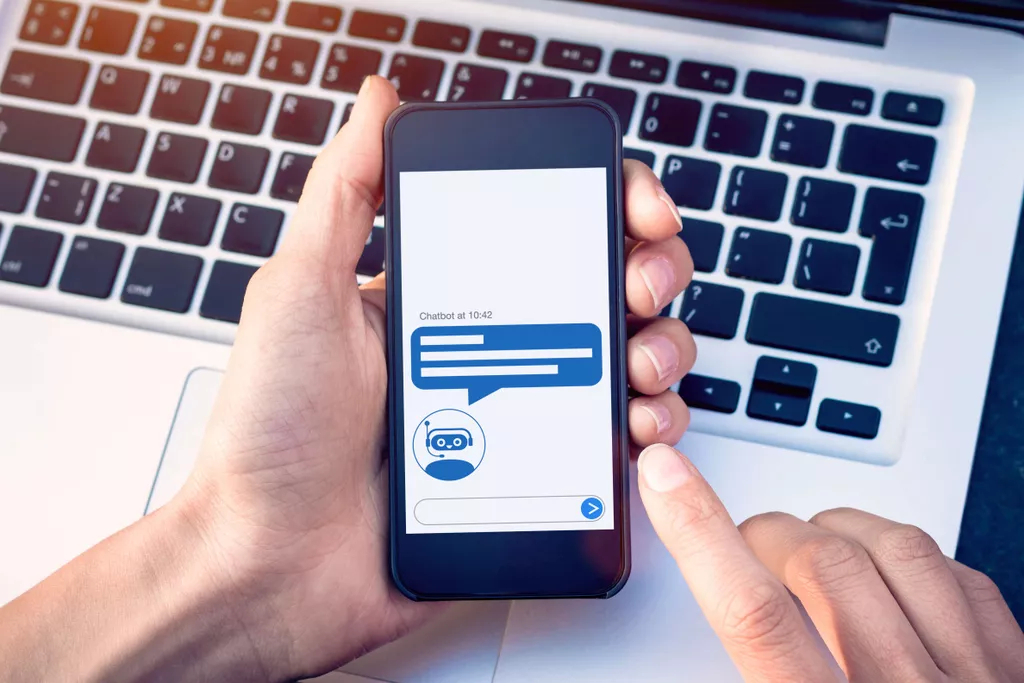
A hotel chatbot is a type of software that mimics human conversations between properties and guests or potential guests on the hotel’s website, messaging apps, and social media. Travel chatbots are highly beneficial as they streamline and automate repetitive tasks, allowing staff to focus on more complex and personalized customer interactions. Chatbots can provide assistance in the booking process by helping guests find available rooms, rates and promotions. They can also answer questions related to room types, amenities and policies. Hoteliers have woken to the essential need to develop their tech stack, not only to compete and provide guest experiences but to alleviate huge staffing challenges.
- When your front desk staff is handling urgent matters, chatbots can help guests check in or out, avoiding the need to stop by the front desk when they’re in a rush.
- It can also quickly answer frequently asked questions (FAQs) and provide detailed information about your property and the local area.
- Beyond their involvement in guest interactions, chatbots serve as valuable sources of data and insights for hotels.
- AI chatbots offer a cost-effective way to provide guests with personalized and efficient customer service, allowing hotels to save money and resources.
- In a world that can not wait, hotel chatbots have become hoteliers’ best allies in providing excellent guest experiences while generating bookings and additional revenue.
- Plus, hotel chatbots can send promotional and seasonal messages, such as special offers, discounts, or events.
Additionally, hotel chatbots can create a sense of urgency by showing guests the limited availability and time of the offers. Hotel chatbots can come in handy to increase the hotel’s revenue by offering upgrades to guests. These chatbots can suggest guests upgrade rooms or add extra services and amenities, such as breakfast, late check-out, or airport transfer. The artificial intelligent assistants can help you automate bookings, respond to guest inquiries, and provide personalized support.