No products in the cart.
Blood Thinners: Benefits, Risks, and How to Use Them
In the short term, it can lead to injuries, violence, and alcohol poisoning. It also increases the risk of suicide, sexual assault, and homicide. Heavy drinking can cause risky sexual behavior and unintended pregnancy.
- It’s generally safe to take acetaminophen while you’re on a blood thinner, but make sure you follow the directions.
- While many side effects of blood thinners can be managed, some require immediate medical care.
- When small bumps or minor pressure lead to noticeable bruises, it may indicate underlying nutritional deficiencies or health conditions.
- Becky Upham has worked throughout the health and wellness world for over 25 years.
Plavix vs. Eliquis
- If a wound does not stop bleeding, go to the emergency department and inform the staff about your medication.
- Reach out to Addiction Free Recovery today, and let us be your partner in the journey to a healthier, addiction-free life.
Eliquis typically stays in your system for approximately 48 hours after the last dose. However, this can vary depending on individual factors such as your age, kidney function, and overall health. Always consult your healthcare provider for personalized advice. This could be life-saving in an emergency, but just know does alcohol make you bruise easier that when your normal clotting ability returns, so does your increased risk of a stroke due to AFib. In addition, Andexxa is expensive and may not be universally available in every hospital at the time of this writing. In case of severe symptoms of an allergic reaction or suspicion of a blood clot, immediately dial 911 or your local emergency number.
Frequently asked questions about Plavix side effects
- Other typical side effects include gastrointestinal issues such as upset stomach and diarrhea, as well as potential side effects like nausea, which is also frequently reported.
- With ischemic stroke, your brain doesn’t get enough blood flow because of blocked blood vessels.
- Certain medications and supplements can significantly impact the clearance of Eliquis from the body, potentially affecting its efficacy and increasing risk for side effects.
- Deficiencies in vitamin K can exacerbate bruising and prolong the healing process.
These symptoms can be alarming and should be discussed with a healthcare provider for appropriate management. If you have atrial fibrillation, your doctor may prescribe blood thinners (especially anticoagulant medicines) as part of your treatment plan. Some people are born with a condition where their blood clots more easily than in other people. Anticoagulants can help prevent them from having complications, such as deep vein thrombosis, due to their condition. For example, they’ll cause you to bleed more than usual if you cut yourself.
People on Blood-Thinning Medications
If a person continues to drink despite health-related problems, bruises after drinking may be a consequence that arises from alcohol misuse. Bruised ribs usually heal on their own within 3-6 weeks, but there are things you can do to reduce pain and stay comfortable in the meantime. Apply an ice pack wrapped in a cloth to your ribs for minutes at a time to help reduce pain. You can also take over-the-counter pain relievers like ibuprofen, naproxen, or acetaminophen, but talk to your doctor first if you have any medical conditions. Try to breathe normally and cough when necessary to avoid developing a chest infection.
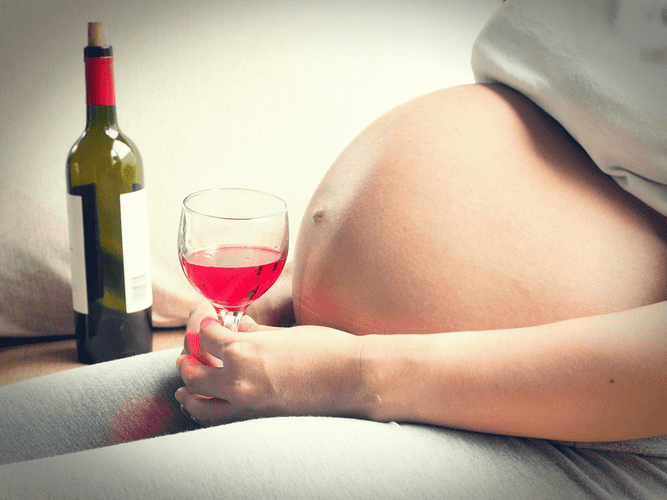
Yes, certain medications can interact with alcohol to increase the risk of bruising. Blood-thinning medications, such as aspirin or warfarin, when combined with alcohol, can further thin the blood and increase susceptibility to bruising. Alcohol thins the blood by inhibiting platelet function, interfering with blood clotting mechanisms, and dilating blood vessels. These effects make it easier for blood vessels to rupture and lead to bruising. While alcohol itself doesn’t directly cause bruises, excessive alcohol consumption can lead to injuries that result in bruising. Alcohol can impair coordination, balance, and judgment, making individuals more prone to accidents and falls that can cause bruises.
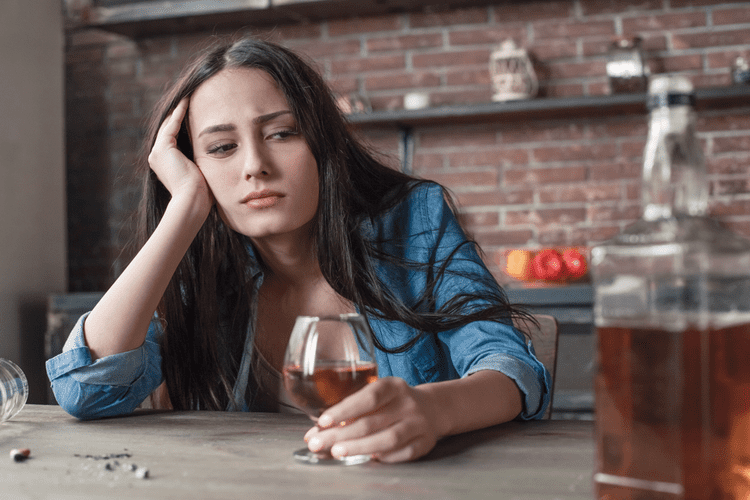
Here are three aspects of your brain that are affected by alcohol and why that can contribute to morning-after bruises. Alcohol-related bruises may indicate a vitamin deficiency, particularly vitamin C and vitamin K. Chronic alcohol abuse can lead to malnutrition and impair the body’s ability to heal wounds and bruises effectively. The type of alcohol consumed does not significantly affect the likelihood of bruising. Instead, the amount of alcohol consumed and its impact on the body’s clotting mechanisms play a more significant role in Substance abuse causing bruising.